Skip to content

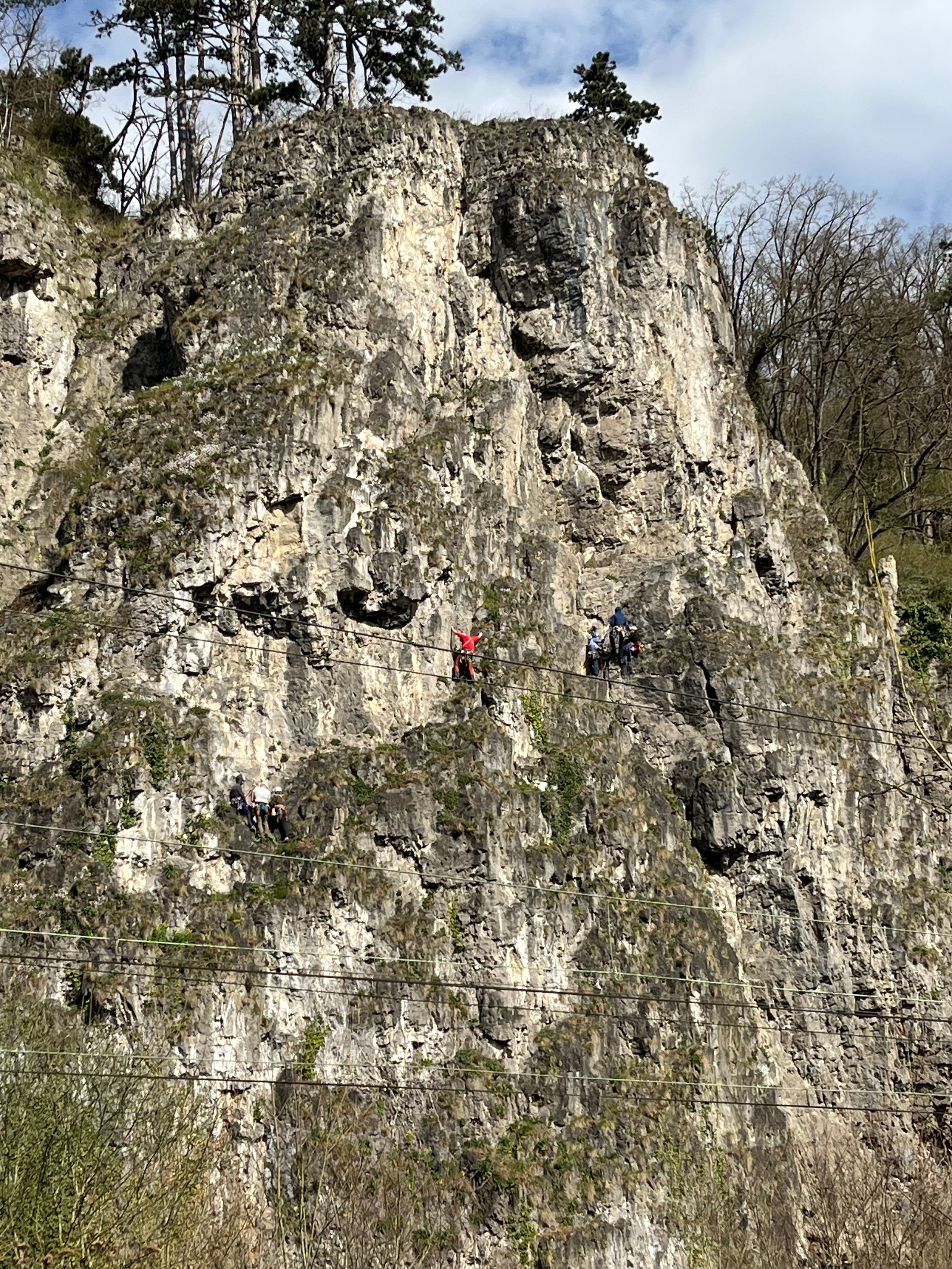
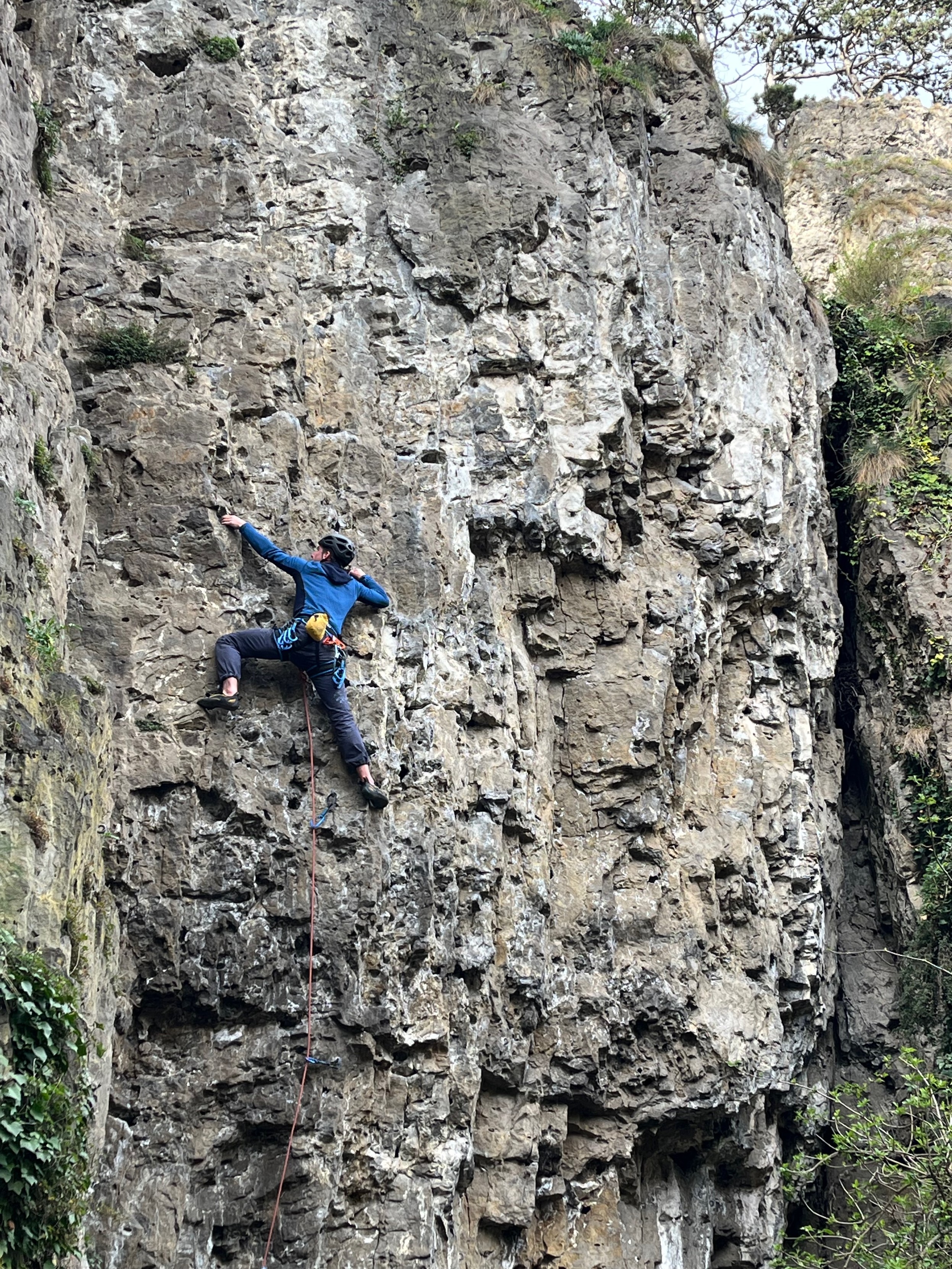
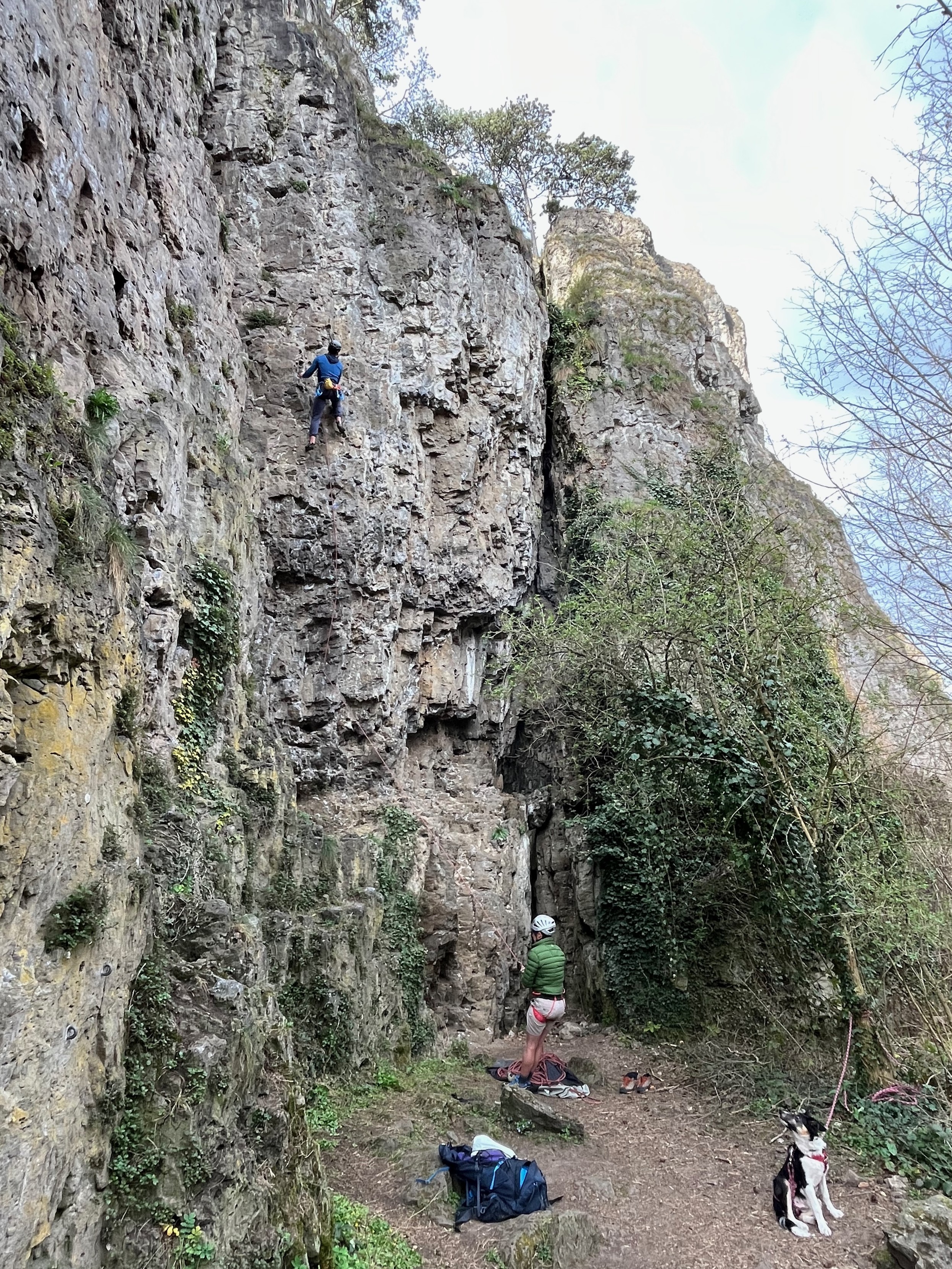
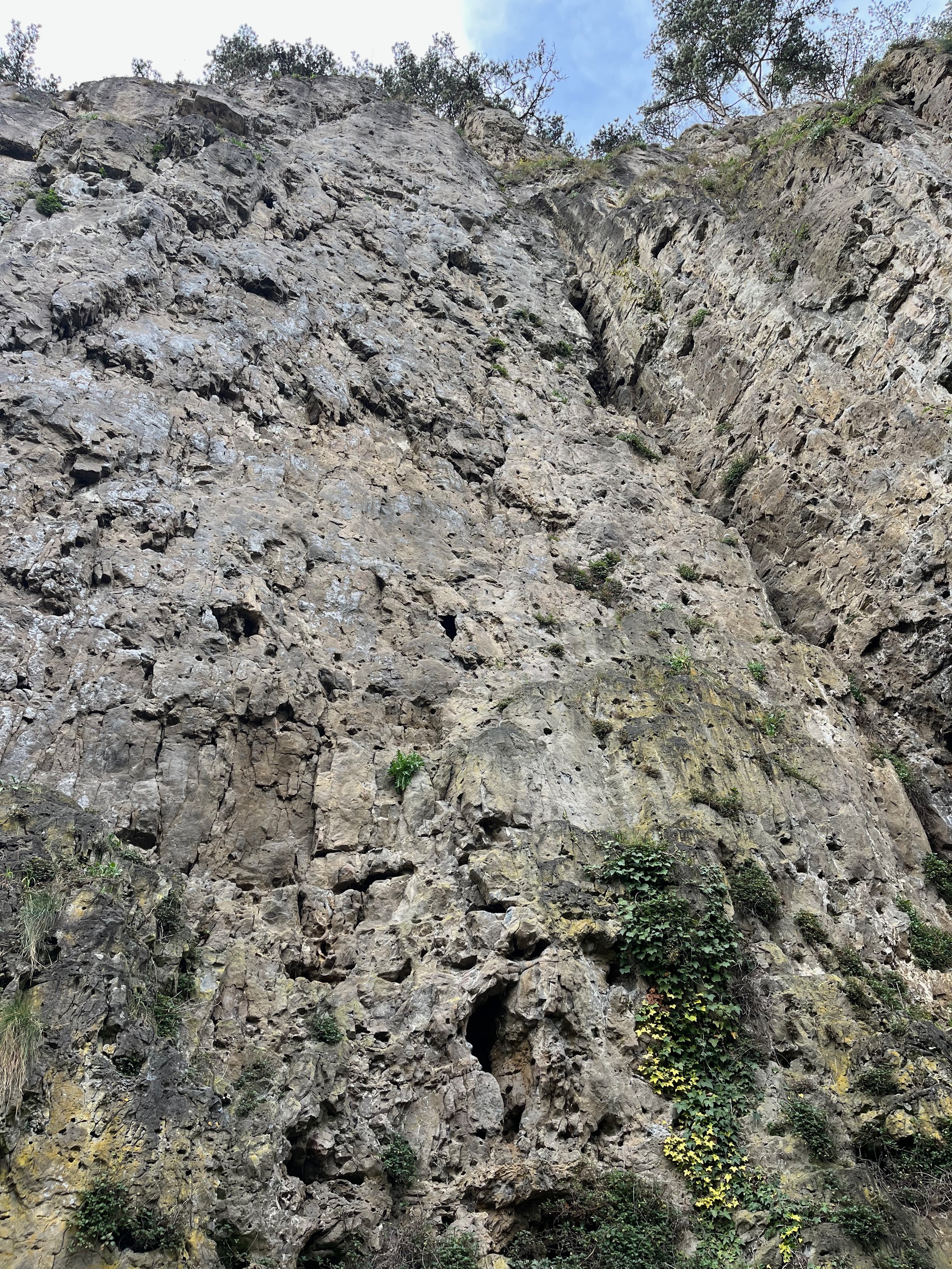
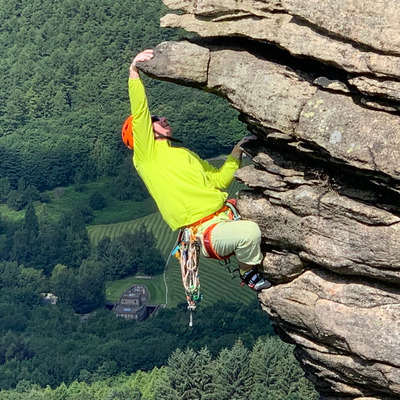
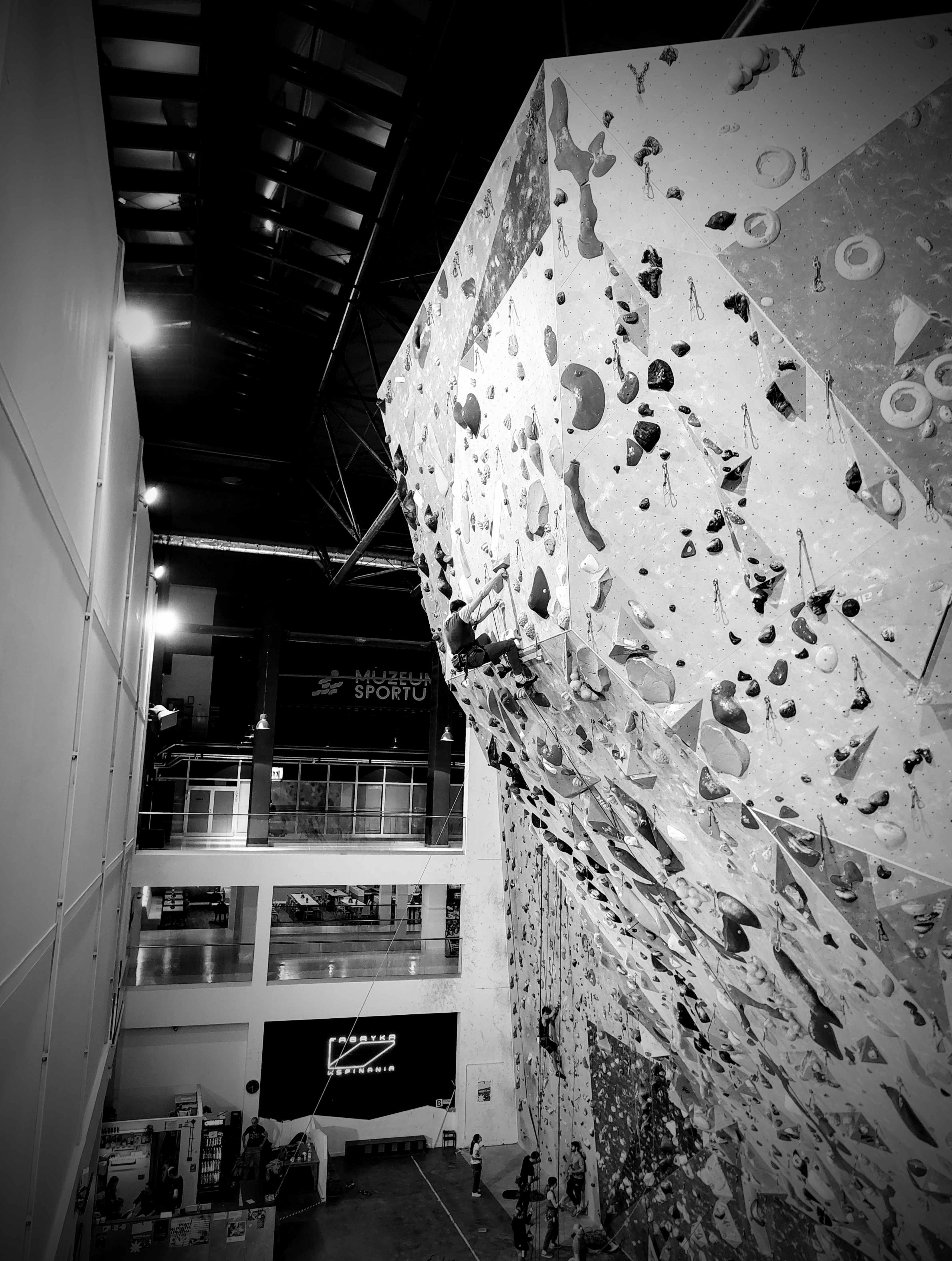
Bit of a miserable day of #climbing in #Beez, #belgium yesterday.

Pics and trips
3 2 260

Suggested topics


  • Tales from Red Rock's Risk Mistress: Joanne Urioste

    General News climbing
    1
    0 Votes
    1 Posts
    13 Views
    American Alpine ClubA
    Joanne Urioste is a powerhouse in Red Rocks climbing history, and we had her on the podcast to share stories from her recently published memoir, “Collages of Rock & Desire.” Her book is a detailed catalogue of the climbing legacy she shares with her husband George Urioste, including the creation of iconic multi pitch climbs like Epinephrine, Levitation 29, A Dream of Wild Turkeys, and many others. The book is also a detailed account of gear innovations and changing climbing ethics through the ‘70s and 80’s—from swami belts and belay plates, to early adoption of nuts and frontpointing on ice, and adding a run-out bolt here and there to connect discontinuous cracks and make many climbs possible on Red Rocks soaring faces. In the interview, we dive into all of this, plus Joanne and George’s wild love story, managing fear on lead, and climbing as a metaphor for life. You can find a copy of Joanne Urioste's book on Amazon. Buy Joanne Urioste’s Book Watch the Legacy Series Film about George and Joanne Urioste https://americanalpineclub.org/news/2026/1/22/tales-from-red-rocks-risk-mistress-joanne-urioste
  • 0 Votes
    1 Posts
    44 Views
    American Alpine ClubA
    Russ Clune is a climbing lifer. He came up climbing at the Gunks, traveled around the world to climb with friends and legends like Wolfgang Gullich, and would help establish the iconic Gunks 5.13 Vandals, alongside Jeff Gruenberg, Lynn Hill, and Hugh Herr. He also shares about sending Mantronix, his hardest climb ever, “back when 5.14 was hard.” These days, he’s a keeper of stories from the Gunks and across the world, and has a running record of Gunks climbing history in his head. On this episode, we meander through stories from Russ’s many climbing travels, explore Gunks toproping ethics and the often forgotten tactic of yo-yo climbing, and set the record straight on some of the most iconic cutting edge Gunks ascents from the 70s and 80s. If you believe conversations like this matter, a donation to the AAC helps us continue sharing stories, insights, and education for the entire climbing community. Donate today! Get Russ Clune’s Book Learn More About Gunks History https://americanalpineclub.org/news/2025/12/4/setting-the-climbing-record-straight-with-gunks-legend-russ-clune
  • 0 Votes
    1 Posts
    83 Views
    GrippedG
    He's only 18 years old and he's already won three overall Boulder World Cup season titles The post Sorato Anraku Wins Third Boulder World Cup Season in a Row appeared first on Gripped Magazine. https://gripped.com/indoor-climbing/sorato-anraku-wins-third-boulder-world-cup-season-in-a-row/
  • Guidebook XIV—An Interview with Dougald MacDonald

    General News climbing
    1
    0 Votes
    1 Posts
    130 Views
    American Alpine ClubA
    How would you describe the scope of the work that goes into making the American Alpine Journal (AAJ)? Dougald MacDonald: Producing the AA J is a year-round effort that involves literally hundreds of people. The actual “staff” of the AAJ (who are all part-timers and volunteers) includes more than 15 people, and each year we work with roughly 300 individual climbers and photographers to share their stories. The book goes to press in late April, so the peak of the cycle is in March and April. But the work on the following year’s edition starts immediately, plus we prepare and upload online stories all year round. AND we produce The Cutting Edge podcast and the monthly Line newsletter. What’s the history of the AAJ? How has it changed over the years? DM: The AAJ is coming up on its 100th birthday, and unsurprisingly it has changed quite a lot over the years. It started out as much more of a Club publication, telling the stories of AAC members’ adventures. In the 1950s, with the rise of Himalayan climbing, the book started to become much more international. But it was really Ad Carter—who edited the AAJ for 35 years, starting in the 1960s—who created the wide-ranging, international publication it is today. We no longer focus mostly on the activities of AAC members—though we’re very happy to tell those stories when we can—but instead try to document all significant long routes and mountain exploration anywhere in the world, by climbers from every country. For both the AAJ and Accidents in North American Climbing (ANAC), the most significant changes of the last 10 to 15 years have been 1) the introduction of color photography throughout both books and 2) the launch of the searchable online database of every AAJ and ANAC article ever published. What’s an example of a unique challenge the editors have to deal with when making the AAJ? DM: One challenge is that we come out so long after many of the climbs actually happened. So, readers may have seen something about any given climb several times, in news reports and social media posts and even video productions. But the AAJ has never been in the breaking news business. Instead, we aim to provide perspective and context. Perspective in that we don’t have any vested interest that might slant a story one way or another, and context on the history and geography that helps readers really understand the significance of a climb, how it relates to what’s been done before, and what other opportunities might be out there. Another big challenge is language barriers, since we work with people from all over the world. We’re fortunate to work in English, which so many people around the world use these days. We also use skilled translators for some stories, and online translation tools have improved dramatically in recent years. But there’s still a lot of back-and-forth with authors to ensure we’re getting everything just right. What’s an example report that was really exciting for you to edit from the last few years? DM: For me, personally, the coolest stories are the ones that teach me about an area of the world—or a moment in climbing history—that I knew nothing about before starting to work on a story. In the upcoming book, for example, we have stories about winter climbing in Greece (who knew?) and a mountain range in Venezuela that’s gorgeous and has peaks over 16,000 feet. Unfortunately, that range is rapidly losing its snow cover and its small glaciers. AAJ senior editor Lindsay Griffin, who is editing the story, did some cool climbs in the range in 1985, and the difference between his photos and those from today is shocking. Are there any big differences in process between making the AAJ and ANAC? DM: The biggest differences are just the scale and scope of the two books: The AAJ is a nearly 400-page book that tries to cover the entir... https://americanalpineclub.org/news/2025/5/19/guidebook-xivan-interview-with-dougald-macdonald
  • Yannick Flohé Sends a Shawn Raboutou V16

    General News climbing
    1
    0 Votes
    1 Posts
    100 Views
    GrippedG
    The German climber just made the third ascent of Story of 3 Worlds V16 The post Yannick Flohé Sends a Shawn Raboutou V16 appeared first on Gripped Magazine. https://gripped.com/news/yannick-flohe-sends-a-shawn-raboutou-v16/
  • 0 Votes
    1 Posts
    104 Views
    ClimbingZineC
    Luke Mehall reads “The Dirtbags Aren’t Dead, They’re Just In Mexico” published in the new issue of The Climbing Zine, Volume 25, now available. Photo by Ivan Ioza https://shop.climbingzine.com/ Our sponsors for Season 6:  Kilter: http://settercloset.com (email holds@kiltergrips.com for more information) Scarpa: www.scarpa.com Mountain Project / OnX: https://www.mountainproject.com/ Osprey: https://www.osprey.com/ Black Diamond: https://www.blackdiamondequipment.com/ https://climbingzine.com/the-dirtbags-arent-dead-theyre-just-in-mexico/
  • Weekend Whipper: How’d That Happen?

    General News climbing
    1
    0 Votes
    1 Posts
    119 Views
    climbingC
    It’s not just errant legs that flip us upside down. https://www.climbing.com/videos/indoor-climber-take-big-upside-down-fall/
  • 0 Votes
    1 Posts
    145 Views
    ClimbingZineC
    Climbing with a pack on is the worst. It’s heavy, it’s awkward, and you don’t even use half its contents in the end anyway. I was stuck, by all accounts of the word. I couldn’t go up; I couldn’t go down; I couldn’t go sideways. I was stuck. And it was all because of this… https://climbingzine.com/eleventh-hour-half-dome-jason-haas/