Welcome to the largest gaming community on Lemmy! Discussion for all kinds of games. Video games, tabletop games, card games etc.
Rules
1. Submissions have to be related to games
Video games, tabletop, or otherwise. Posts not related to games will be deleted.
This community is focused on games, of all kinds. Any news item or discussion should be related to gaming in some way.
2. No bigotry or harassment, be civil
No bigotry, hardline stance. Try not to get too heated when entering into a discussion or debate.
We are here to talk and discuss about one of our passions, not fight or be exposed to hate. Posts or responses that are hateful will be deleted to keep the atmosphere good. If repeatedly violated, not only will the comment be deleted but a ban will be handed out as well. We judge each case individually.
3. No excessive self-promotion
Try to keep it to 10% self-promotion / 90% other stuff in your post history.
This is to prevent people from posting for the sole purpose of promoting their own website or social media account.
4. Stay on-topic; no memes, funny videos, giveaways, reposts, or low-effort posts
This community is mostly for discussion and news. Remember to search for the thing you’re submitting before posting to see if it’s already been posted.
We want to keep the quality of posts high. Therefore, memes, funny videos, low-effort posts and reposts are not allowed. We prohibit giveaways because we cannot be sure that the person holding the giveaway will actually do what they promise.
5. Mark Spoilers and NSFW
Make sure to mark your stuff or it may be removed.
No one wants to be spoiled. Therefore, always mark spoilers. Similarly mark NSFW, in case anyone is browsing in a public space or at work.
6. No linking to piracy
Don’t share it here, there are other places to find it. Discussion of piracy is fine.
We don’t want us moderators or the admins of lemmy.world to get in trouble for linking to piracy. Therefore, any link to piracy will be removed. Discussion of it is of course allowed.
Authorized Regular Threads
Related communities
PM a mod to add your own
Video games
Generic
- !gaming@Lemmy.world: Our sister community, focused on PC and console gaming. Meme are allowed.
- !photomode@feddit.uk: For all your screenshots needs, to share your love for games graphics.
- !vgmusic@lemmy.world: A community to share your love for video games music
- !freegames@feddit.uk: A community sharing free games giveaways.
Help and suggestions
- !PatientGamers@sh.itjust.works
- !TipOfMyJoystick@retrolemmy.com
- !VideoGameSuggestions@lemmy.zip
By platform
- !Linux_Gaming@Lemmy.world
- !SteamDeck@lemmy.ml
- !nintendo@lemmy.world
By type
- !AutomationGames@lemmy.zip
- !Incremental_Games@incremental.social
- !LifeSimulation@lemmy.world
- !CityBuilders@sh.itjust.works
- !CozyGames@Lemmy.world
- !CRPG@lemmy.world
- !horror_games@piefed.world
- !OtomeGames@ani.social
- !Shmups@lemmus.org
- !space_games@piefed.world
- !strategy_games@piefed.world
- !turnbasedstrategy@piefed.world
- !tycoon@lemmy.world
- !VisualNovels@ani.social
By games
- !Baldurs_Gate_3@lemmy.world
- !Cities_Skylines@lemmy.world
- !CassetteBeasts@Lemmy.world
- !Fallout@lemmy.world
- !FinalFantasyXIV@lemmy.world
- !Minecraft@Lemmy.world
- !NoMansSky@lemmy.world
- !Palia@Lemmy.world
- !Pokemon@lemm.ee
- !Silksong@indie-ver.se
- !Skyrim@lemmy.world
- !StardewValley@lemm.ee
- !Subnautica2@Lemmy.world
- !WorkersAndResources@lemmy.world
Language specific
- !JeuxVideo@jlai.lu: French













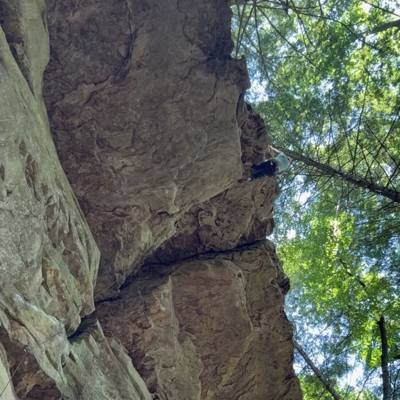

 but I could do a lot of the moves even though by that point I had very little strength left.