Skip to content

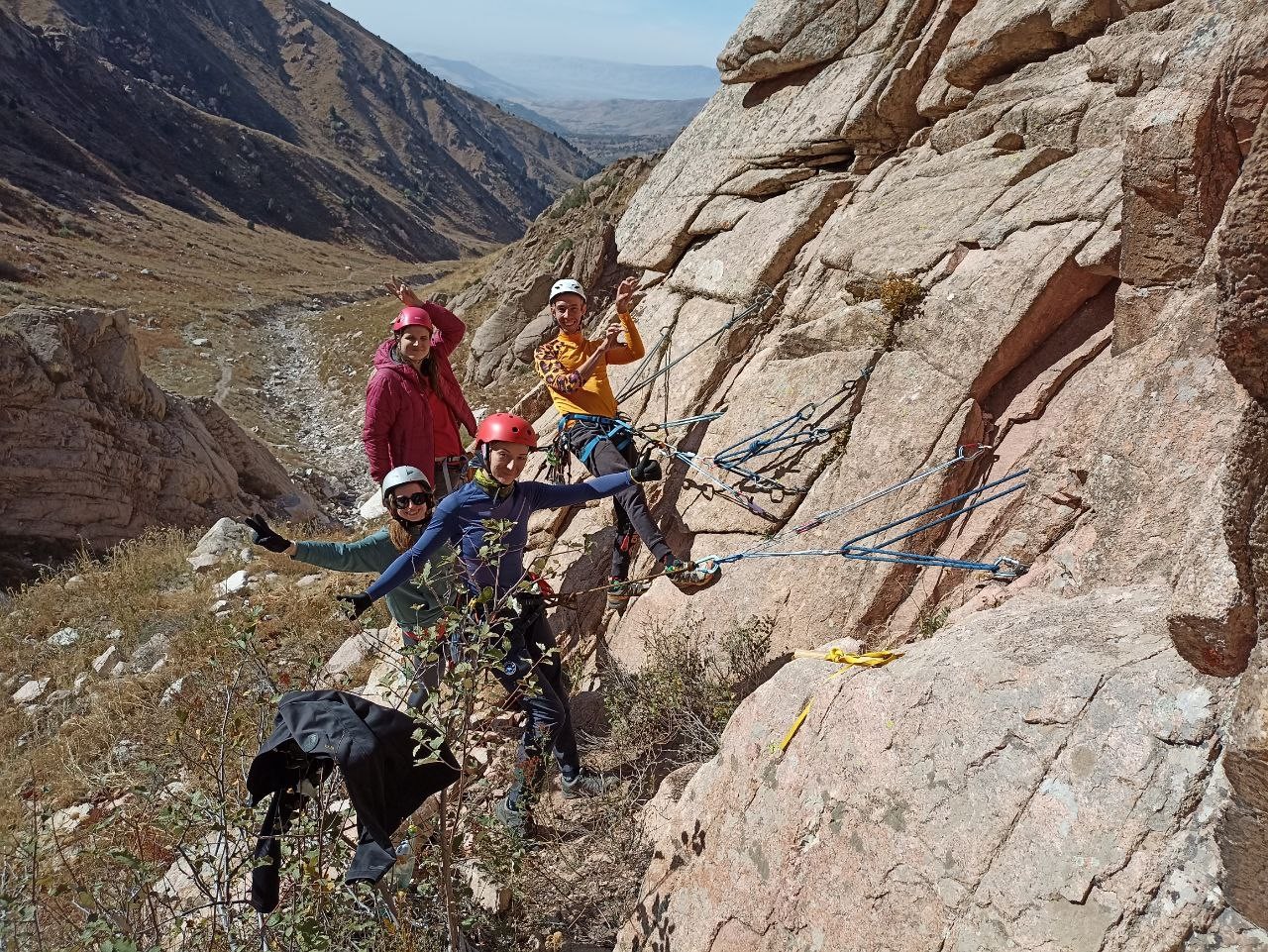
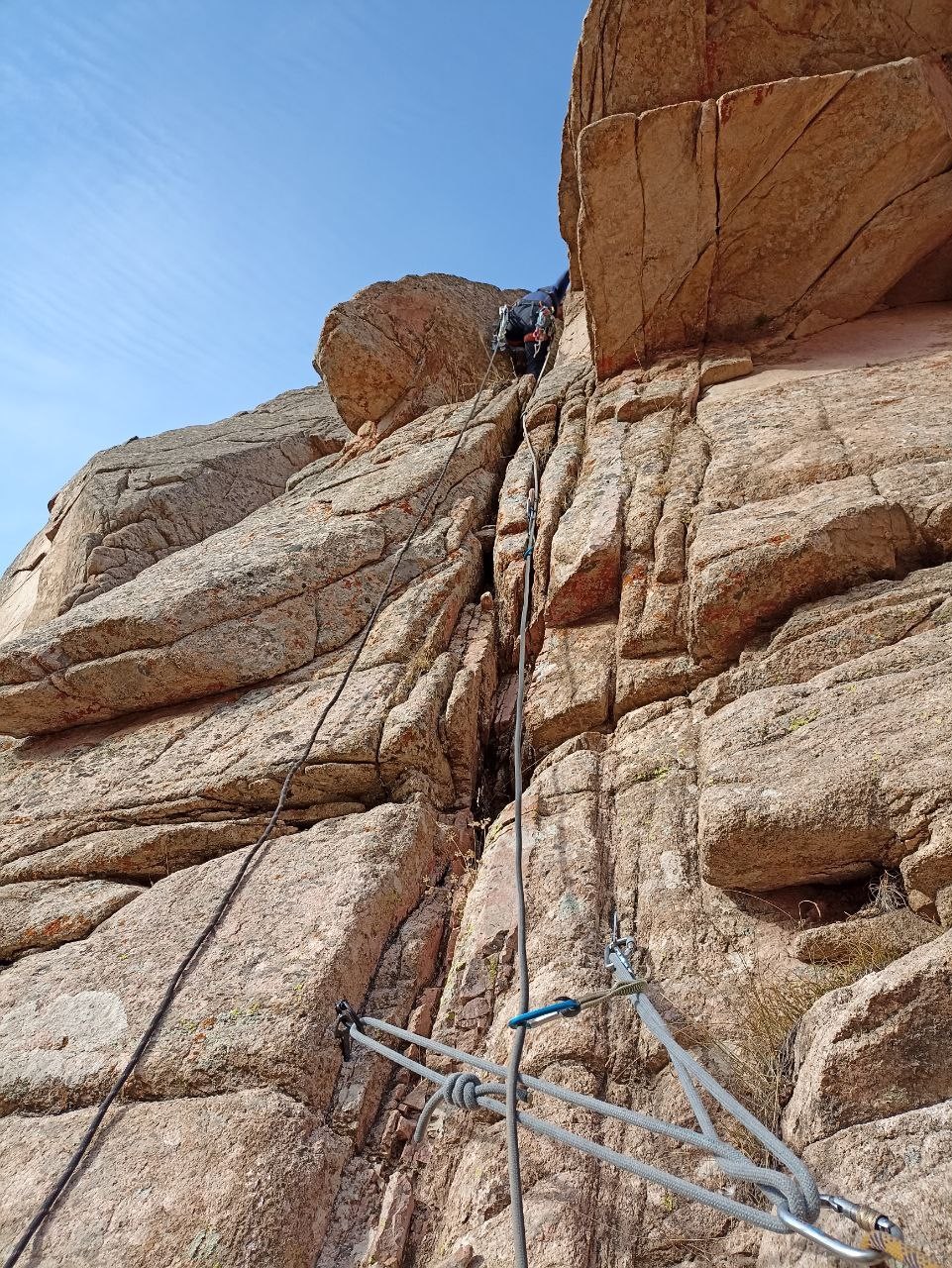
This weekend had first trad climbing experience outside of mountaineering routes

Pics and trips
1 1 154
  • This weekend had first trad climbing experience outside of mountaineering routes

    The rock was technically easy to climb, but a bit scary. Positive slope means falling to the last anchor will hurt a lot

    Turns out I didn't know some essential things about building anchors (like the correct way to clip into self-equalizing anchor). Also lack of practice since the spring made me work way slower than I used to

    But thanks to the great mountaineer leading our group we learned a lot in a single day, even practised with 6-8 types of anchors

    ..at the very end I chipped away a corn kernel sized piece of fingernail while hammering out some pitons in the dark ^~^
    #climbing

    Link Preview ImageLink Preview Image
  • devnullD devnull moved this topic from Uncategorized on

Suggested topics


  • “Long link” chains for fixed anchors

    General News climbing alpinesavvy
    1
    0 Votes
    1 Posts
    40 Views
    AlpineSavvyA
    “Long link” chain is about what it sounds like; the links are quite a bit longer than standard. They have a few benefits over normal chain links; learn ‘em here. Premium Article available https://www.alpinesavvy.com/blog/long-link-chains-for-fixed-anchors
  • Adam Ondra Flashing Foundation’s Edge V15

    General News climbing
    1
    0 Votes
    1 Posts
    85 Views
    GrippedG
    Watch the third-ever flash of a V15 boulder The post Adam Ondra Flashing Foundation’s Edge V15 appeared first on Gripped Magazine. https://gripped.com/news/adam-ondra-flashing-foundations-edge-v15/
  • The Prescription—Anchor Failure

    General News climbing
    1
    0 Votes
    1 Posts
    96 Views
    American Alpine ClubA
    This month we feature an accident that occurred in 2024 on Yosemite’s Manure Pile Buttress when a climber mistied a knot. You can reference this accident in this years Accidents in North American Climbing (page 46). The knot involved was bulky and involved multiple strands of webbing, brought together to tie a single anchor loop. The average climber only needs to know several simple knots but sometimes, even experts can get it wrong. This climber was lucky and escaped with minor injuries. On June 24, 2024 during the American Alpine Club’s United in Yosemite Climbing Festival, a climber led the first pitch of After Six (5.7). At the belay tree, they set up a lowering anchor using a knot on a quad-length sling with two locking carabiners. The climber weighted the rope and lowered. He cleaned the top piece of gear (a camming device). Below, a second cam proved too tight to remove so he unclipped it. The climber continued to lower. At the third piece from the top, the anchor knot failed. The climber fell 80 feet before the belayer caught his fall, when the climber was about five feet above the ground. The climber was lowered and SAR was called. His injuries included a sprained ankle, lacerations on the face, a broken nose, and rope burns on the hands and fingers.  A slipknot looks deceptively like other knots you'd use in a climbing anchor, but when you actually load it, it's not going to hold much at all. Pete Takeda, Editor of Accidents in North American Climbing, and IFMGA/AMGA Guide Jason Antin, are back to explain how a slipknot can have serious consequences when used in climbing anchors. Credits: Pete Takeda, Editor of Accidents in North American Climbing; IFMGA/AMGA Guide Jason Antin; Producers: Shane Johnson and Sierra McGivney; Videographer: Foster Denney; Editor: Sierra McGivney; Location: Accessibility Crag, Clear Creek, CO. The climber was fortunate that he had high protection that stopped him from hitting the ground when the anchor failed and lots of slack was introduced into the belay system. The anchor sling was found with an intact overhand knot. The belayer, who wishes to remain anonymous, wrote to ANAC: “We believe it was an attempted overhand knot but it was actually a slipknot.” The still-locked masterpoint carabiners were found clipped to the rope by the fallen climber.  *Editor’s Note: After analysis, it was determined that the climber had attempted to tie an overhand knot but failed to pull the two end strands completely through the knot. He then clipped the two locking carabiners through the unsecured loops. Since there were so many strands of webbing in the mix, it was hard to tell the difference between a fixed loop and a slip loop. When weighted, the slip loops had sufficient friction and compression to hold, if only momentarily, while the ends gradually crept toward release. (Sources: Anonymous and ANAC Canada Editor Robert Chisnall.) https://americanalpineclub.org/news/2025/11/12/the-prescription
  • 0 Votes
    1 Posts
    86 Views
    IFSCI
    https://www.youtube.com/watch?v=I-CsQ_p4BSE
  • Mao Nakamura 🇯🇵 | Athlete of the Week

    Videos climbing ifsc
    1
    1 Votes
    1 Posts
    171 Views
    IFSCI
    https://www.youtube.com/watch?v=cWgLxoY-93E
  • Tips for Rock Climbing in Your 60s, 70s & 80s

    General News climbing
    1
    0 Votes
    1 Posts
    117 Views
    GrippedG
    Irmgard Braun shares her tips after climbing 5.13 in her late 60s, and Steve McClure gives advice for "old folks" looking to climb in their later years The post Tips for Rock Climbing in Your 60s, 70s & 80s appeared first on Gripped Magazine. https://gripped.com/profiles/tips-for-rock-climbing-in-your-60s-70s-80s/
  • Domen Skofic Climbs Famous 5.15a/b in Spain

    General News climbing
    1
    0 Votes
    1 Posts
    151 Views
    GrippedG
    The route was first climbed over 20 years ago as the first-ever graded 5.15c, it was later downgraded The post Domen Skofic Climbs Famous 5.15a/b in Spain appeared first on Gripped Magazine. https://gripped.com/profiles/domen-skofic-climbs-famous-5-15a-b-in-spain/
  • 0 Votes
    1 Posts
    110 Views
    EpicTVE
    https://www.youtube.com/watch?v=aLrfzk__ee0