Skip to content

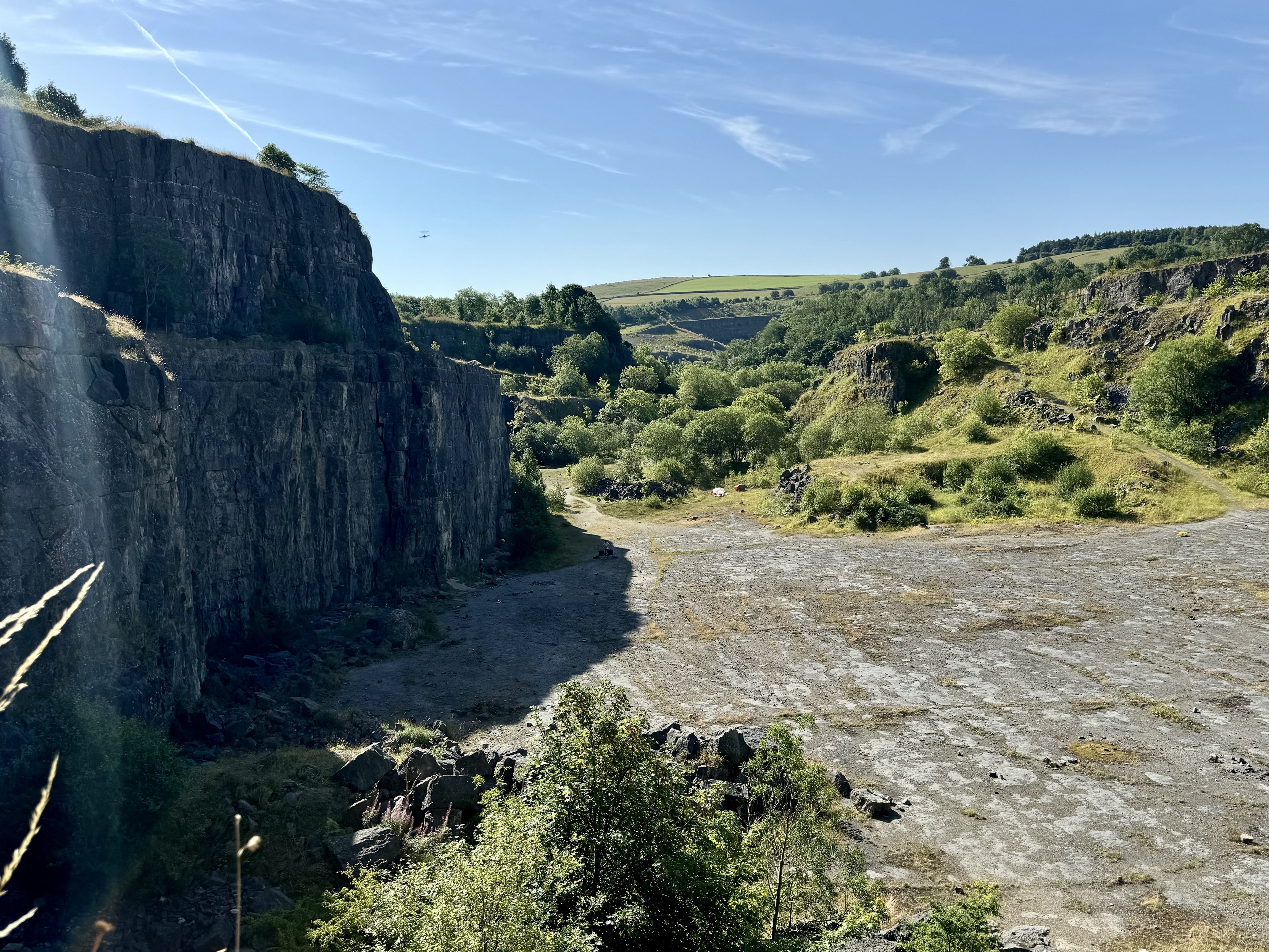
Rock #climbing in the most enchanting place on earth - Arc’teryx Lake District
Videos
1 1 126

Suggested topics


  • Simple Steel Spool Replacement

    Videos climbing hownot2
    1
    0 Votes
    1 Posts
    60 Views
    HowNOT2H
    https://www.youtube.com/watch?v=DoU_bVyKZnc
  • Guidebook XIV—An Interview with Dougald MacDonald

    General News climbing
    1
    0 Votes
    1 Posts
    112 Views
    American Alpine ClubA
    How would you describe the scope of the work that goes into making the American Alpine Journal (AAJ)? Dougald MacDonald: Producing the AA J is a year-round effort that involves literally hundreds of people. The actual “staff” of the AAJ (who are all part-timers and volunteers) includes more than 15 people, and each year we work with roughly 300 individual climbers and photographers to share their stories. The book goes to press in late April, so the peak of the cycle is in March and April. But the work on the following year’s edition starts immediately, plus we prepare and upload online stories all year round. AND we produce The Cutting Edge podcast and the monthly Line newsletter. What’s the history of the AAJ? How has it changed over the years? DM: The AAJ is coming up on its 100th birthday, and unsurprisingly it has changed quite a lot over the years. It started out as much more of a Club publication, telling the stories of AAC members’ adventures. In the 1950s, with the rise of Himalayan climbing, the book started to become much more international. But it was really Ad Carter—who edited the AAJ for 35 years, starting in the 1960s—who created the wide-ranging, international publication it is today. We no longer focus mostly on the activities of AAC members—though we’re very happy to tell those stories when we can—but instead try to document all significant long routes and mountain exploration anywhere in the world, by climbers from every country. For both the AAJ and Accidents in North American Climbing (ANAC), the most significant changes of the last 10 to 15 years have been 1) the introduction of color photography throughout both books and 2) the launch of the searchable online database of every AAJ and ANAC article ever published. What’s an example of a unique challenge the editors have to deal with when making the AAJ? DM: One challenge is that we come out so long after many of the climbs actually happened. So, readers may have seen something about any given climb several times, in news reports and social media posts and even video productions. But the AAJ has never been in the breaking news business. Instead, we aim to provide perspective and context. Perspective in that we don’t have any vested interest that might slant a story one way or another, and context on the history and geography that helps readers really understand the significance of a climb, how it relates to what’s been done before, and what other opportunities might be out there. Another big challenge is language barriers, since we work with people from all over the world. We’re fortunate to work in English, which so many people around the world use these days. We also use skilled translators for some stories, and online translation tools have improved dramatically in recent years. But there’s still a lot of back-and-forth with authors to ensure we’re getting everything just right. What’s an example report that was really exciting for you to edit from the last few years? DM: For me, personally, the coolest stories are the ones that teach me about an area of the world—or a moment in climbing history—that I knew nothing about before starting to work on a story. In the upcoming book, for example, we have stories about winter climbing in Greece (who knew?) and a mountain range in Venezuela that’s gorgeous and has peaks over 16,000 feet. Unfortunately, that range is rapidly losing its snow cover and its small glaciers. AAJ senior editor Lindsay Griffin, who is editing the story, did some cool climbs in the range in 1985, and the difference between his photos and those from today is shocking. Are there any big differences in process between making the AAJ and ANAC? DM: The biggest differences are just the scale and scope of the two books: The AAJ is a nearly 400-page book that tries to cover the entir... https://americanalpineclub.org/news/2025/5/19/guidebook-xivan-interview-with-dougald-macdonald
  • 0 Votes
    1 Posts
    126 Views
    ischrisI
    I've now linked the start and end of this v5 (indoor) problem Ive been working on for the past week and it's so hard to give myself the proper rest between attempts. I'm even setting timers... And then constantly looking at the timer cause I'm itching to get back on and send it. Now pacing back and forth in the gym like a crazy person. #bouldering #boulderingproblems #climbing
  • 0 Votes
    1 Posts
    97 Views
    UK ClimbingU
    Michaela Kiersch has made the first female ascent of Dreamtime, 8C, at Cresciano, Switzerland. https://www.ukclimbing.com/forums/t.php?n=776366
  • Prime Day deals on climbing and outdoor gear

    General News climbing
    1
    0 Votes
    1 Posts
    93 Views
    GrippedG
    Freshen up your kit for your next adventure The post Prime Day deals on climbing and outdoor gear appeared first on Gripped Magazine. https://gripped.com/gear/buyers-guide/prime-day-deals-on-climbing-and-outdoor-gear/
  • 0 Votes
    1 Posts
    107 Views
    EpicTVE
    https://www.youtube.com/watch?v=MqoOKjtUh4w
  • 0 Votes
    1 Posts
    92 Views
    EpicTVE
    https://www.youtube.com/watch?v=_eQqbtLEvJg
  • 0 Votes
    1 Posts
    137 Views
    American Alpine ClubA
    Climbers have a meaningful relationship with the landscapes they love, and advocating for public lands is a critical piece of that relationship. Outdoor recreationists have a powerful connection to place, and that connection makes us a powerful force for conservation. Outdoor Alliance is a national coalition of outdoor recreation advocacy groups that American Alpine Club has been a part of for six years, and together, we work to protect public lands and waters and advocate for climbing and other outdoor recreation. The AAC is the largest community of climbers in the country, and is dedicated to advocating for climbing landscapes and resourcing climbers with essential climbing knowledge and rescue coverage. Since Outdoor Alliance started ten years ago, the coalition has helped protect 40 million acres of public land and water, secured $5.1 billion in funding for the outdoors, and has converted hundreds of thousands of outdoor enthusiasts into outdoor advocates. Here are some of important victories that the American Alpine Club (AAC) and Outdoor Alliance (OA) have notched together: The EXPLORE Act is a first-of-its-kind package of outdoor recreation policy that has been a priority for Outdoor Alliance for many years; the package recently passed the House. It includes sections that will directly protect rock climbing experiences on public lands, a big priority for the AAC.  The Protecting America’s Rock Climbing (PARC) Act is a significant piece of the EXPLORE Act, and has been a focus for the AAC, Access Fund, and the wider Outdoor Alliance coalition. The PARC Act is intended to ensure safe and sustainable access to rock climbing in designated Wilderness areas. It requires federal agencies to recognize recreational climbing as an appropriate activity in accordance with the Wilderness Act of 1964, which states that the placement, use, and maintenance of fixed anchors is appropriate, and ensures that a public comment period is made available to stakeholders prior to any final climbing management guidance being issued. The AAC has also educated their members about the SOAR Act, joining the AMGA who is one of the principle long-time supportess of the SOAR Act. This is another piece of the EXPLORE Act which will streamline recreational permitting for outfitters and guides, benefiting other Outdoor Alliance members like The Mountaineers, Mazamas, and Colorado Mountain Club.   Now that The House has voted to pass EXPLORE, the AAC and OA are advocating for the Senate to also get it across the finish line. Learn more and write your lawmakers about it here.  In 2018, the Trump Administration rolled back protections for the Bears Ears National Monument by more than 80% and Grand Staircase-Escalante by nearly half. Since then, the AAC and its partners at Outdoor Alliance have been continuously educating outdoor enthusiasts about the fight to preserve Bears Ears. This included a lawsuit led by Access Fund against the Trump administration, advocating for the monument to be restored, and participating in a public comment on a new management plan for the restored monument. In 2021, the Biden-Harris Administration restored protections for Bears Ears and the Grand Staircase, which honored the voices of Indigenous communities, climbers, and conservationists alike. The coalition work led by Outdoor Alliance was hugely impactful in bringing outdoor recreationists together on this issue. The AAC is committed to keeping their members updated on future management plans and staying active in this ongoing discussion. The AAC will continue advocating for the role of climbing and responsible conservation by sharing their expertise on land management issues pertaining to climbing, and interfacing with land management agencies, the BLM and USFS, as well as other partners and local and national climbing organizations, to continue to refine the Bears Ears National Monument Draft Resource Management Plan and Environmental Impact Statement... https://americanalpineclub.org/news/2024/6/27/outdoor-alliance-and-american-alpine-club-working-together-to-protect-rock-climbing-landscapesnbsp